
Your Guide to Local Health Department Services and Programs
When you’re worried about a strange rash, a suspicious restaurant kitchen, or a local disease outbreak, the health department is your first stop for clear, trusted guidance. It works by connecting you with public health experts who investigate concerns, offer free testing or vaccines, and track community wellness patterns so problems get caught early. You can simply call, visit its website, or drop by an office to ask questions, report a hazard, or find affordable clinics—all with a friendly, no-judgment attitude. Its biggest benefit is peace of mind: knowing real professionals are watching out for your neighborhood’s health behind the scenes, ready to help whenever you need them.

What Exactly Does a Local Health Department Do for You?
When you wake up with that nagging cough, your local health department is the quiet safety net that catches you before you even leave the house. They run the clinic down the street where you get free flu shots, and when your kid’s school reports a rash outbreak, they’re the ones calling you with calm, specific next steps. They test your well water after a flood, hand out free car seats, and track the stomach bug spreading through the neighborhood so they can tell you which tap water to boil. They’re not a distant bureaucracy—they’re the neighbor who checks on your septic system and your child’s asthma triggers. Think of it this way: *What does a health department actually do?* They make sure the restaurant you ordered from didn’t give you food poisoning, and if it did, they’re the ones knocking on your door to ask what you ate, so no one else gets sick. That’s it—they keep your daily life from turning into a public health scare.
Core Services You Can Access Today
Your local health department offers core services you can access today without appointments or red tape. Walk in for free immunizations, tuberculosis tests, and HIV screenings at designated clinic hours. Pick up naloxone kits, free condoms, and safe injection supplies at the front desk. You can also request in-home lead inspections, restaurant complaint investigations, and vector control for rats or mosquitoes. Many departments provide same-day pregnancy tests and emergency contraception. Even if you lack insurance, sliding-scale fees mean you pay what you can afford, not a fixed price. Call your county line to confirm walk-in windows, but most services require only a photo ID.
Q: What is the fastest core service to access today?
A: Free condoms, naloxone, and printed health education materials are typically handed over immediately at the reception window—no forms, no wait, no questions asked.
Who Works Behind the Scenes and How They Help
Behind every public health alert or clinic, a multidisciplinary team of disease investigators, sanitarians, and community health nurses operates. Epidemiologists track outbreak patterns by interviewing patients, while environmental health specialists test water and inspect restaurants to stop contamination at its source. Public health educators craft culturally tailored messages, translating complex data into actionable steps like vaccination reminders or safe food-handling tips. Lab technicians run rapid tests, and data analysts ensure case reports reach clinicians within hours. Together, these professionals function as a safety net—your family doctor may treat an illness, but this team silently removes the hazards that cause it and connects vulnerable residents to free screenings or medication assistance.
Disease investigators, sanitarians, nurses, labs, and educators form the unseen workforce that detects threats, removes risks, and guides you to preventive care.

How Your Tax Dollars Translate into Direct Benefits
Your local tax contribution is converted into tangible prevention services that directly lower your out-of-pocket medical spending. Immunization clinics, for instance, administer vaccines at reduced or zero cost, preventing costly hospitalizations. Likewise, free tuberculosis and HIV screenings catch infections early, avoiding expensive late-stage treatments. Environmental health inspectors investigate foodborne illness complaints, reducing the risk of lost wages from sickness. Every dollar spent here functions as pooled risk-sharing, where your small share yields protection far beyond what you could individually purchase. These benefits appear as:
- No-cost lead testing for children in older housing
- Subsidized chronic disease management classes (diabetes, hypertension)
- Free naloxone kits and harm-reduction supplies
- Emergency preparedness stockpiles for pandemic flu or local outbreaks

How to Get Services from Your Public Health Agency

Start by locating your local health department’s website or phone line to confirm what services are available, as offerings vary by county. Many agencies require you to call the main number and ask for the specific program—such as immunizations, STD testing, or WIC—rather than walking in unannounced. For clinical services, check if you need an appointment or if same-day slots are offered; bring a photo ID and proof of residency or income if you qualify for sliding-scale fees. Ask directly: “What documents must I bring to be seen today?” This saves a failed visit. If you lack insurance, request a charity care form or ask about Medicaid enrollment assistance—staff can often screen you on the spot. For records or prescription refills (e.g., tuberculosis medication), use the patient portal or request a callback from a nurse. Finally, confirm clinic hours, as many run limited walk-in windows in the morning only.
Step-by-Step Guide to Booking an Appointment
Start by visiting your health department’s official website and locating the “Services” or “Appointments” tab, then select the specific clinic or program you need—such as immunizations, testing, or WIC. Next, check real-time availability and choose a time slot that fits your schedule, ensuring you have your ID, insurance card, and any referral documents ready before you submit the request. After confirming, you’ll receive a text or email with a confirmation code; save it and note any pre-visit instructions, like fasting or bringing proof of residency. Walk-in slots are rare, so booking online or by phone two weeks ahead guarantees your spot. Finally, set a reminder for 24 hours prior, and if you must cancel, use the link in your confirmation to free the slot for others. This step-by-step guide to booking an appointment keeps your visit smooth from start to finish.
Which Locations Offer Walk-In Hours and Which Require Reservations
Walk-in availability varies sharply by service type and facility tier. Main county health department branches typically accept walk-ins for STD testing, tuberculosis screenings, and childhood immunizations during morning hours, though afternoon slots often fill by 11 AM. Satellite clinics in suburban zones usually require reservations for all services due to reduced staffing. Specialized units, such as travel medicine or lead poisoning prevention, operate exclusively by appointment at central offices. To verify, check the agency’s online portal, which flags each location as “walk-in accepted” or “by appointment only.” Confirming your local branch’s walk-in window before visiting prevents wasted trips, as policies shift seasonally.
Q: Which locations offer walk-in hours and which require reservations?
A: Main branches offer walk-ins for core services like shots and STD tests; satellite and specialty clinics (travel, environmental health) require reservations. Call ahead if your need is niche.
What Documents or IDs You Need to Bring

To access services, bring a government-issued photo ID (driver’s license, state ID, or passport) for yourself and each adult in your party. For a child, carry their birth certificate or passport plus your own ID. If you are not the legal guardian, bring a notarized consent form or custody order. For income-based programs, bring recent pay stubs, tax returns, or benefit award letters (e.g., SNAP, Medicaid). For immunization records, bring your official vaccination card; if lost, request a replacement from your previous provider. For WIC or family services, bring proof of address (utility bill or lease) and a Social Security card or number.
- Check appointment confirmation for specific required documents.
- Bring originals—not photocopies—for ID and legal papers.
- Carry all documents in a single folder to speed check-in.
Key Programs and Resources You Might Not Know Exist
Beyond immunizations and restaurant inspections, your health department often runs a free radon testing kit program, mailing home kits that reveal invisible cancer risks. Many also operate a community health worker initiative where trained locals help you browncountyhealthdept.org navigate Medicaid appeals or utility assistance for medical devices—not just clinical checkups. Ask about the disease investigation team’s lead line, which provides follow-up blood lead testing and free water filter pitchers for homes with young children. Additionally, look for septic system repair grants funded by state revolving loans; these cover 50–100% of failure costs for low-income households. Finally, request the vital records priority passport service—staff can fast-track birth certificates for travel within 48 hours, a workaround rarely advertised online.
Free or Low-Cost Vaccination Clinics and Screening Events
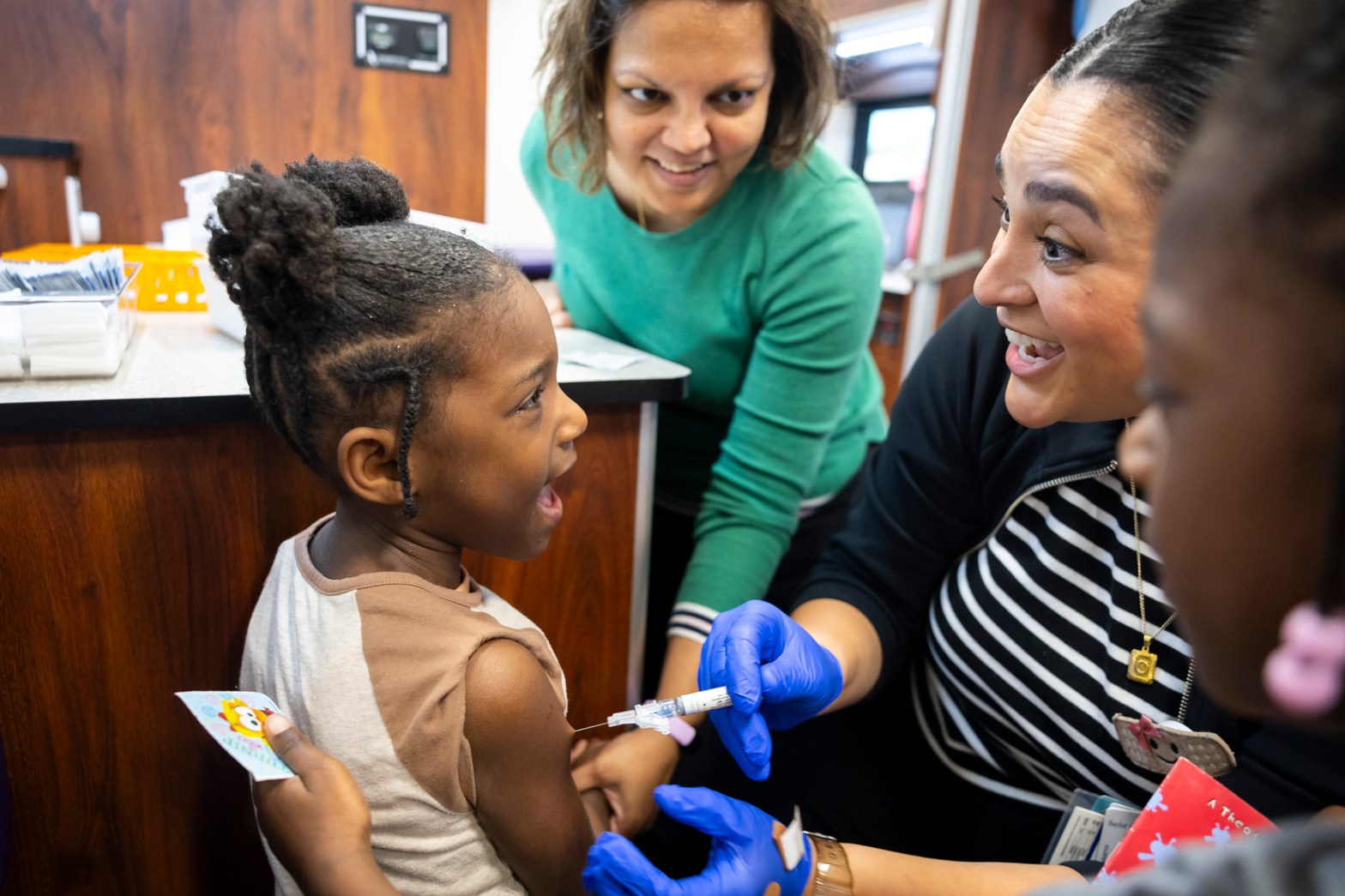
Your local health department regularly hosts free or low-cost vaccination clinics and screening events that aren’t always widely advertised. These pop-up sessions often provide flu shots, COVID boosters, and routine childhood vaccines on a sliding scale or at no charge—no insurance required. You’ll also find blood pressure checks, cholesterol panels, and diabetes screenings bundled into the same visit, saving you a separate doctor’s copay. Check the department’s social media or call their hotline for upcoming dates at community centers, libraries, or mobile vans. Walk-ins are usually welcome, though some events ask for a quick sign-up online.
In short, your health department’s free or low-cost vaccination clinics and screening events are a hidden gem for skipping expensive copays while staying on top of your health.
Maternal, Child, and Family Support Services Explained
Maternal, Child, and Family Support Services Explained focuses on preventive care delivered through your local health department. These programs connect pregnant individuals to prenatal vitamins, nutrition counseling, and home visiting nurses who monitor maternal health. After birth, families access lactation consultants, infant developmental screenings, and safe-sleep education. The department also coordinates lead testing for toddlers and early intervention referrals for developmental delays. Care coordination for postpartum mental health is a core component, linking new parents to support groups and therapy resources. What if I don’t qualify for Medicaid? Health departments typically offer sliding-scale fees or free access to these family services based on household income, ensuring support remains reachable regardless of insurance status.
Environmental Health Checks: Food Inspections, Water Safety, and Pest Control
Beyond permits, your health department conducts environmental health checks that quietly protect daily life. Restaurant inspections score visible kitchens, but also cold-storage logs and hand-washing sinks, with violations posted publicly so you can check before dining. For water, officials test private wells, public pools, and even splash pads for bacteria or chemical imbalances, issuing boil advisories or closures within hours. Pest control teams trace rodent or mosquito activity back to breeding sites—dumping stagnant water or sealing dumpster lids—rather than just spraying. These checks operate on complaints and random audits, meaning you can file a report that triggers a same-week visit. Knowing these systems exist lets you advocate for a spotless meal, safe swim, and pest-free neighborhood.
How to Choose Between Different Health Department Facilities
When choosing between health department facilities, start by verifying which services you actually need, as some locations offer specialized clinics like STI testing or immunizations that others do not. Check the facility’s appointment system and walk-in hours, since a health department office may require same-day slots while another uses open queues, which directly affects your wait time. Compare the distance and public transit access, because a closer health department branch reduces missed visits, especially for follow-up care. Ask about language interpretation and sliding-scale fees at each site, as these vary by location. Even within the same health department, staff expertise and lab turnaround can differ noticeably between branches, so call ahead to confirm both the test you need and the result timeframe. Finally, read local reviews regarding cleanliness and courtesy, but prioritize official service lists over anecdotes.
Comparing Service Offerings at Main Offices vs. Satellite Branches
When weighing comparing service offerings at main offices vs. satellite branches, check for the core clinical lineup—main offices usually house full labs, X-ray, and specialty clinics, while satellites often focus on immunizations, STI screening, and WIC. Satellite branches tend to have shorter wait times but limited walk-in slots. For a clear sequence: first, call the main office to list which services are exclusive there; second, ask the satellite for its daily schedule and whether it requires appointments; third, confirm if referrals from the satellite are needed for main-office procedures. Choose based on whether you need quick, routine care or comprehensive diagnostics.
What to Look For in Terms of Accessibility, Hours, and Language Support
When comparing health department facilities, prioritize **accessibility and language support** as non-negotiables. Confirm wheelchair ramps, automatic doors, and accessible exam rooms exist, not just parking spots. Scrutinize posted hours against your schedule—many departments offer evening or Saturday clinics, but some limit services after noon. Ask if interpreter services (in-person, video, or phone) are free and available for your primary language, since not all sites have bilingual staff on-site. Verify that translated forms and signage are present, not just promised. A facility with consistent extended hours and robust interpretation infrastructure will save you repeated trips and miscommunication, making it the practical choice for ongoing care.
| Checkpoint | What to Verify | Red Flag |
|---|---|---|
| Accessibility | Ramped entrances, low counters, accessible restrooms | “Call for access” without onsite aid |
| Hours | Late weekday closures or weekend slots | Hours ending before 4 PM on weekdays |
| Language Support | Free interpretation for visits, not just documents | Bilingual staff only “if available” |
Your Most Common Questions About the Local Health Office, Answered
When you call the local health office, the first thing you’ll likely ask is how to get a birth certificate or vaccine record. The staff often hears, “Do I need an appointment?”—and the answer is usually yes for vital records, but walk-ins work for free flu shots. Another common question is whether you can get a food handler card same-day; many offices process it while you wait after a short test. “What if I lost my immunization card?”—they can pull your state registry and print a new one on the spot, though you’ll need a photo ID. People also ask about sliding-scale fees for STD testing, and the clerk will quietly confirm that no one is turned away for inability to pay. You leave with a printed receipt, a clear next-step list, and a stamped envelope if you requested mail delivery.
How Fast Can You Get Test Results or Certificates?
Most routine test results from the health department, such as for foodborne illness or sexually transmitted infections, arrive in **3 to 7 business days**, while rapid tests for flu, COVID-19, or HIV can return within 15 to 30 minutes on-site. Birth certificates and immunization records are typically processed immediately if requested in person, though mailed copies take 5 to 10 business days. For tuberculosis (TB) skin tests, you must return within 48 to 72 hours for a reading, and results are given at that moment. Delays occur only if a specimen must be sent to an external laboratory, which can add 2–3 days. Always ask for the exact turnaround time when your sample is collected.
Can You Get a Birth Certificate, Death Record, or Travel Vaccination There?
Yes, your local health department is a central hub for vital records and travel health. You can typically request certified copies of birth certificates and death records for genealogical research, legal matters, or personal files, though fees and required identification vary by jurisdiction. For international travel, many offices provide **travel vaccinations** like yellow fever, hepatitis A, and typhoid, often during walk-in clinics or by appointment. Some locations also handle death record corrections, not just issuance. Before visiting, confirm their specific services online or by phone. **Q: Can You Get a Birth Certificate, Death Record, or Travel Vaccination There?** A: In most cases, yes—these are core services, but availability and processing times depend on your state and county, so always verify beforehand.
What Happens If You Need a Service They Don’t Offer Directly?
If you need a service your local health office doesn’t offer directly, they won’t just leave you stranded. Instead, they act as your first-stop navigator, directing you to the exact agency or clinic that can help. You’ll typically be handed a referral list, a contact number, or even a warm handoff to a partner organization. For specialized care like dental surgery or mental health crisis units, they’ll often verify your insurance coverage and schedule the intake appointment for you. Crucially, they can explain eligibility for sliding-scale fees or charity care at outside facilities. This community referral network ensures you’re never guessing where to turn next, bridging the gap between public health and private or regional providers.