
24-Hour Emergency Vet Services for Critical Pet Care
An emergency vet is a specialized veterinary facility providing immediate, critical care for pets facing life-threatening conditions or severe injuries when regular clinics are closed. These hospitals operate 24/7 with triage systems that prioritize the most urgent cases, ensuring your companion receives rapid stabilization, pain management, and around-the-clock monitoring. This service is invaluable because it bridges the gap between a sudden crisis and your regular veterinarian, offering a lifeline of expert intervention that can make the difference between recovery and tragedy. If your pet collapses, struggles to breathe, or has a major trauma, call your nearest emergency vet immediately—they are equipped to act fast, but every minute counts.
How Do I Know If My Pet Needs Emergency Care Right Now?
If your pet collapses, has severe breathing difficulty, or experiences uncontrolled bleeding, you need an emergency vet immediately—do not wait to observe. Suspect a blockage if your pet repeatedly vomits, especially with a swollen abdomen, or if they strain to urinate with no output; these are life-threatening within hours. Seizures lasting over two minutes or multiple seizures in a day also demand urgent care. If their gums are pale, blue, or white, or capillary refill takes longer than two seconds, that signals shock or toxicity. Sudden paralysis, an eye protruding, or a temperature above 104°F or below 99°F are equally critical. When in doubt, call the emergency vet—most clinics offer triage advice over the phone, and acting early is safer than waiting for a clear downturn.
Subtle Signs That Are Often Overlooked Until It’s Too Late
Subtle signs like a single episode of vomiting, slight gum pallor, or a two-hour lapse in appetite can precede life-threatening conditions, yet they are frequently dismissed as minor quirks. A pet that suddenly hides, resists being touched on the abdomen, or breathes with barely perceptible extra effort may be in early shock, and these cues often vanish once the animal is at the clinic, masking the true urgency. Changes in water consumption—drinking much more or refusing to drink entirely—along with a dry nose that stays dry, signal systemic trouble long before collapse. A pet that is “just tired” but still wags its tail can be actively bleeding internally, and the tail wag itself deceives owners into delaying care. Recognizing these quiet deviations as overlooked pre-emergency indicators is the only way to act before decompensation makes treatment hopeless.
Obvious Red Flags That Require Immediate Action
Certain signs demand immediate emergency vet intervention, not observation. Uncontrolled bleeding, especially from a wound or orifice, exceeds capillary refill time and indicates shock. Seizures lasting over two minutes or repeated within an hour signal neurological crisis. Obvious fractures, where bone protrudes or limb hangs at an unnatural angle, require splinting and pain control. Inability to urinate, particularly in male cats, constitutes a urethral blockage that rapidly becomes fatal. Toxin ingestion—antifreeze, chocolate, lilies—has a narrow treatment window. Finally, labored breathing with blue or pale gums means oxygen deprivation; delay is irreversible.
Act immediately if you see profuse bleeding, seizures, fractures, inability to urinate, toxin exposure, or breathing distress—these red flags cannot wait for a call-back.
What Actually Happens Inside an Emergency Animal Hospital?
When you rush a pet through the doors of an emergency vet, the team immediately triages: a technician checks vitals and alerts the doctor if your animal is unstable. Inside, the crash room is where life-saving interventions happen—intravenous catheters, oxygen therapy, and fluid resuscitation start within minutes. Your pet is moved to a treatment area where bloodwork, X-rays, and ultrasounds are run on-site, often in under fifteen minutes. The emergency vet then stabilizes your pet, manages pain with immediate medication, and either admits them to the ICU for continuous monitoring or transfers them to surgery. You’ll receive updates directly from the clinician, but the priority is always clinical control first, detailed explanations second. This is the real, fast-moving flow of what actually happens inside an emergency animal hospital—triage, diagnostics, stabilization, and constant reassessment until your pet is safe.
The Triage Process: Why Your Waiting Room Time Varies
At an emergency vet, your waiting room time is dictated by the triage process, not your arrival order. A nurse immediately assesses every pet, assigning a priority level based on life-threatening instability. A cardiac arrest patient will always leapfrog a pet with a laceration, even if you arrived an hour earlier. This is why a seemingly stable animal might wait while critical cases flood in. The system constantly re-evaluates, meaning your estimated wait can shift in real time as new emergencies arrive. The triage process prioritizes clinical urgency over chronological fairness, ensuring the sickest animals receive immediate intervention. Q: Why is my waiting room time longer than initially estimated? A: Because triage is dynamic; if a more critical patient arrives, your pet’s priority ranking drops, extending your wait until their condition stabilizes.
Diagnostic Tools and Equipment You’ll Encounter
Inside an emergency vet, you’ll first encounter a triage digital radiograph system, which captures chest and abdominal images within minutes to detect fractures, foreign bodies, or free gas. A portable ultrasound machine, often used bedside, rapidly evaluates cardiac motion, bladder integrity, and abdominal fluid without sedation. In-house blood analyzers return complete blood counts and chemistry panels in under ten minutes, while a blood gas analyzer measures pH, lactate, and electrolytes for shock management. Point-of-care coagulation testing checks clotting times before surgery. Not every patient needs every machine, but the emergency room prioritizes tests that answer life-threatening questions fastest. For quick visualization, the table below contrasts the most common tools.
| Tool | Primary Emergency Use | Result Speed |
|---|---|---|
| Digital X-ray | Trauma, lung pathology | 2–5 minutes |
| Ultrasound (FAST) | Internal bleeding, effusion | Immediate |
| Blood analyzer | Organ function, cell counts | 10 minutes |
| Blood gas unit | Acid-base, oxygenation | 5 minutes |
What to Expect From the Vet’s Initial Examination
The initial examination at an emergency vet begins immediately, often in the treatment area rather than an exam room. A technician first performs a rapid triage assessment, checking heart rate, respiratory effort, gum color, and capillary refill time to categorize your pet’s stability. The veterinarian then takes a focused history—asking about toxin exposure, trauma timeline, or sudden collapse—while simultaneously palpating the abdomen, auscultating the chest, and evaluating neurologic responses. This emergency vet initial exam typically includes a quick temperature check and a pain score, but avoids non-essential handling if your pet is unstable. You will receive a real-time summary of findings within five minutes, followed by a recommended diagnostic plan and an upfront cost estimate before any advanced testing begins.
Expect a rapid, hands-on triage with vital signs, targeted history, and immediate stabilization updates—no unnecessary delays or hidden diagnostics during the initial emergency vet exam.
Step-by-Step Guide to Handling a Pet Crisis Before You Arrive
When a crisis hits, your actions before reaching the emergency vet can stabilize your pet and save critical time. First, stay calm and assess breathing, bleeding, or consciousness, then phone the emergency vet immediately for triage advice while you prepare. Secure your pet in a carrier or on a leash, using a blanket as a stretcher if they cannot walk, and avoid giving food, water, or any medication unless explicitly directed. Collect any toxin packaging, vomit samples, or recent medical records to hand over on arrival; this pre-arrival crisis protocol speeds up diagnosis. Drive safely but decisively, and call ahead again if your pet’s condition changes. By following these steps, you transform panic into a structured, life-saving response that gives the veterinary team the best possible starting point.
How to Safely Transport an Injured or Distressed Animal
To safely transport an injured animal, first assess whether moving it is safe for you and the pet; if it is aggressive, use a blanket or towel to gently restrain it. For cats or small dogs, place them in a sturdy carrier with the top removed if spinal injury is suspected, sliding the animal flat onto a board or blanket. For larger dogs, create a makeshift stretcher using a rigid board or blanket, lifting with coordinated support under the chest and hips. Keep the animal’s neck aligned with its spine, and minimize movement during transport to prevent further harm. Cover the pet with a light blanket for warmth, but avoid restricting its head. Drive calmly, avoiding sudden stops, and call the emergency vet to alert them of your arrival. If the animal is unconscious, keep its airway clear by extending the head gently, but do not force any position.
Basic First Aid You Can Perform Without Causing More Harm
Before transporting a pet, focus on safe stabilization first aid that avoids worsening injuries. Control external bleeding by applying firm pressure with a clean cloth—never a tourniquet. If your pet collapses, check for breathing; if absent, perform gentle chest compressions, but skip rescue breaths if you lack training. For suspected fractures, do not straighten the limb; instead, place the pet on a rigid board or towel to minimize movement. Avoid giving any oral medication, food, or water, as this risks aspiration or incorrect dosing. Do not induce vomiting unless explicitly told by a veterinarian, especially if toxins are unknown. Keep the pet warm with a blanket, but avoid overheating. Your role is to reduce stress and movement, not to diagnose or treat beyond basic stabilization.
Q: What is the safest first step for a bleeding wound?
Apply direct, steady pressure with a clean gauze or cloth for at least five minutes without lifting to check the wound; this prevents clot disruption and further blood loss.

How to Choose the Right 24-Hour Veterinary Facility for Your Situation
When your dog collapses at 2 a.m., you don’t have time to research—you need a plan already in place. First, call ahead to confirm the facility is truly open 24 hours, not just for phone triage, and ask if a veterinary specialist is on-site overnight. Many “emergency vet” centers only have general practitioners at night, which matters if your pet needs surgery or advanced imaging. Drive by the location during daylight to time your route, because distance matters less than how quickly you can actually get there in traffic. Check if they have separate waiting areas for dogs and cats, and ask about their payment policy upfront—some require a deposit before treatment, which is brutal when you’re panicking. Finally, read Google reviews filtered by “emergency” to see how they handle chaos, not just routine checkups. That pre-work turns a crisis into a manageable, clear-headed decision.
Questions to Ask When You Call Ahead
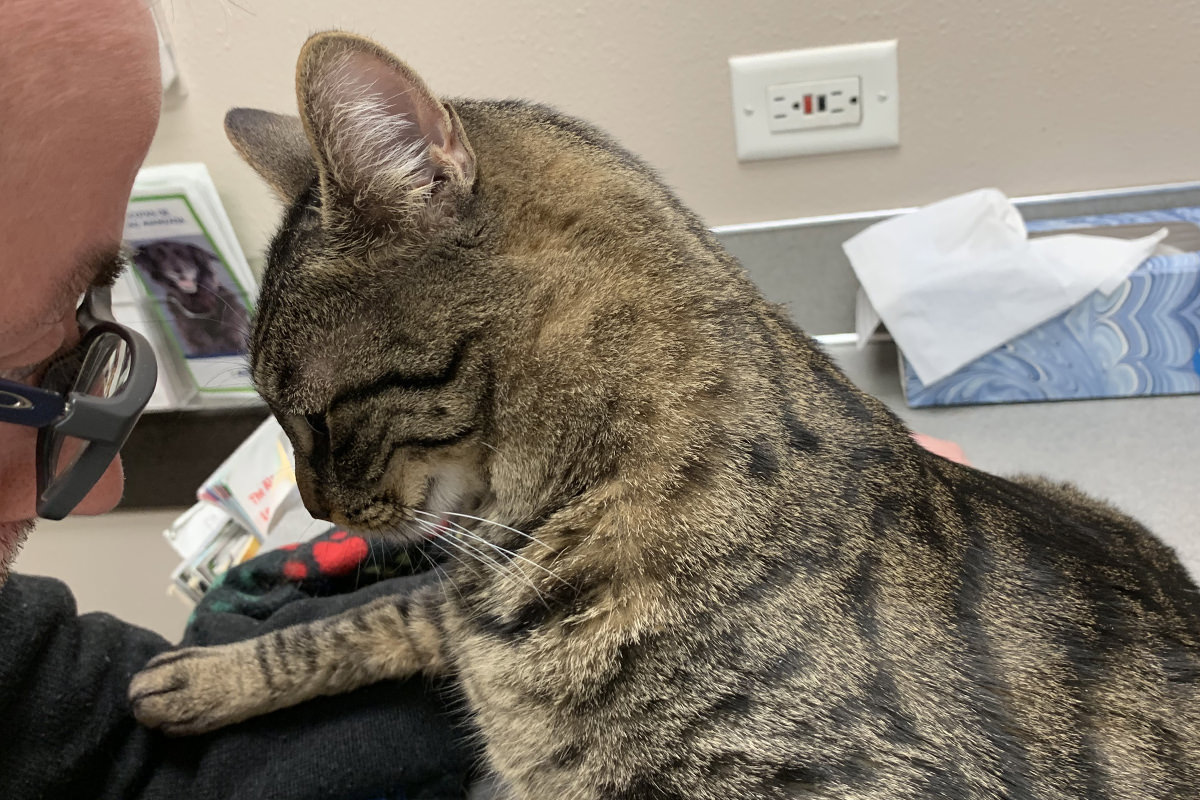
Before you race out the door, a quick call can save precious minutes. Ask if the emergency vet is currently accepting patients, since some facilities divert when overcrowded. Confirm they handle your specific pet species and the exact crisis, like snake bites or seizures. Inquire about estimated wait times and whether a doctor is on-site now, not just on call. Ask about upfront deposit requirements and accepted payment methods. Then verify their transfer protocol—if they’re at capacity, which nearby facility do they recommend? Finally, request what you should bring, such as medical records or medications. This pre-triage checklist ensures you don’t arrive only to be redirected.
What to Look For in the Facility and Its Staff
When you’re rushing in, the facility itself should feel organized, not chaotic. Look for a clean waiting area and visible treatment spaces, but more importantly, watch how staff interact under pressure. A great team will quickly triage your pet, communicate clearly about wait times, and introduce you to the vet on duty. You want a **calm, confident emergency vet team** that asks smart questions and handles your pet gently. Also, check if they offer separate dog and cat waiting zones to reduce stress, and confirm overnight monitoring is genuinely staffed.
- Observe if technicians update you regularly during treatment.
- Ask how many vets are on shift overnight—one is risky.
- See if they have on-site imaging and bloodwork for fast answers.
- Notice if staff explain costs and next steps without pressure.
Understanding the Difference Between Urgent Care and ER Services
Knowing whether your pet needs urgent care versus ER services can save critical time and money. Urgent care handles non-life-threatening issues like minor cuts, ear infections, or mild vomiting during daytime hours. ER services are for true emergencies—unconsciousness, severe bleeding, difficulty breathing, or toxin exposure—where every minute matters. If you’re unsure, call the facility and describe symptoms clearly; they will triage you. For a practical decision, follow this sequence:
- Assess your pet’s stability: can they walk, breathe normally, and stay alert?
- If stable but uncomfortable, choose urgent care to avoid ER wait times and higher fees.
- If unstable or worsening rapidly, go directly to the ER—do not wait for an appointment.
Urgent care is not a substitute for ER when your pet’s life hangs in the balance. Choose the level that matches the severity, not your convenience.
Common Emergency Procedures and Treatments Explained for Pet Owners

When you arrive at an emergency vet, common procedures begin with triage, where a technician rapidly checks your pet’s heart rate, breathing, and gum color to prioritize life-threatening cases. If your pet is unstable, oxygen therapy may be administered via a mask or cage to stabilize breathing, while intravenous (IV) catheters are placed for immediate fluid and drug delivery. For toxic ingestions, the vet may induce vomiting or administer activated charcoal to limit absorption, but only if safe based on the substance and time elapsed. Pain management often includes injectable opioids or non-steroidal anti-inflammatory drugs. Wound care involves flushing, debridement, and suturing under sedation, and suspected fractures are typically splinted before X-rays. For seizures, emergency vets use fast-acting anticonvulsants like diazepam, followed by monitoring. Understanding these emergency procedures explained helps you ask the right questions and consent quickly when every minute counts.
What Happens During Stabilization and Oxygen Therapy?
During stabilization, the veterinary team rapidly triages your pet, establishing intravenous access for fluids and medications while simultaneously assessing airway, breathing, and circulation. Oxygen therapy is initiated immediately if hypoxia is suspected, delivered via flow-by, mask, or oxygen cage. The cage maintains a controlled, humidified environment, reducing stress while increasing inspired oxygen. Vital signs—heart rate, respiratory rate, mucous membrane color, and pulse oximetry—are monitored continuously to gauge response. Blood work and blood pressure checks often occur in parallel to identify shock or metabolic imbalances. Once your pet’s condition is stable, diagnostic imaging or further interventions proceed.
- Oxygen cages allow hands-off monitoring while your pet rests undisturbed.
- Intravenous catheters deliver emergency drugs and fluid resuscitation rapidly.
- Continuous pulse oak tree animal hospital oximetry and capnography track oxygenation and ventilation effectiveness.
- Stabilization prioritizes correcting life-threatening deficits before definitive treatment.
When Surgery Is Needed and How the Decision Is Made
When your pet’s condition is life-threatening—such as a blocked bladder, a ruptured tumor, or a deep wound that won’t stop bleeding—surgery becomes the only option to save their life. The emergency vet decides based on three urgent factors: whether the problem is progressive, whether pain is uncontrollable, and whether delaying surgery increases risk of death. They’ll walk you through the specific findings from X-rays, ultrasounds, or blood work, then give a clear recommendation with cost estimates, success rates, and alternative options. You must decide quickly, but you are never rushed into silence—ask questions until you understand exactly why the knife is necessary. The final call is yours, but the vet’s expertise guides it.
- Immediate surgery is required for conditions like gastric torsion, foreign body blockages, or internal hemorrhage that won’t stabilize.
- The vet explains the surgical plan, expected recovery time, and risks of anesthesia for your pet’s age and health.
- You sign an informed consent form only after discussing alternatives like medical management or palliative care, if viable.
- Financial constraints are discussed openly, and you can request a staged approach if safe—but survival time is often counted in minutes, not days.
Pain Management and Aftercare: What You Need to Know Post-Emergency
After an emergency procedure, your pet’s recovery depends on disciplined pain management and aftercare. Administer prescribed analgesics exactly as directed—never skip doses, as breakthrough pain slows healing and erodes trust. Monitor the incision site twice daily for redness, swelling, or discharge; any oozing warrants an immediate call to your emergency vet. Restrict activity to crate rest or leash walks for the full duration advised, even if your pet seems energetic. *A sudden decrease in appetite or hiding behavior often signals unmanaged pain rather than stubbornness.* Use an Elizabethan collar until sutures are removed to prevent licking. Finally, schedule the follow-up exam before leaving the clinic—silent complications like infection are best caught early.
Q: How long will my pet need pain medication after an emergency procedure?
A: Typically 3–7 days, depending on surgery invasiveness and your pet’s response. Your vet will taper or switch meds if pain persists longer, but never extend or alter doses without approval—overdosing on NSAIDs can cause kidney or liver damage.